

New Delhi [India], February 13: Designing a home is a deeply personal journey. Every space reflects lifestyle, comfort, functionality, and emotional connection. While homeowners often invest significant time and resources into creating their dream homes, several design challenges frequently arise that affect everyday living. These problems, if not planned carefully, can lead to long-term dissatisfaction, higher maintenance costs, and compromised comfort.
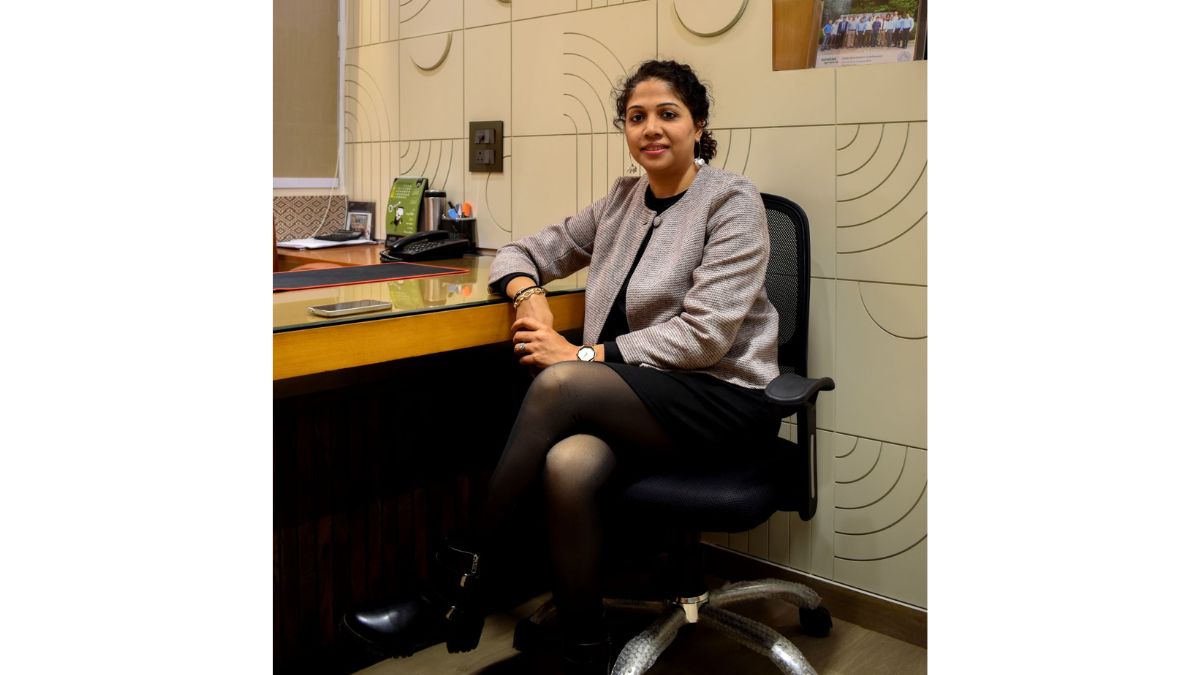
According to industry experts, including award-winning interior designer Shivani Jain, Founder of Artsy Corner and recipient of the Rising Phoenix Award, most interior design issues stem from inadequate planning, rushed decisions, and lack of technical understanding. Below are the seven most common interior design problems faced by homeowners, explained in a simple and informative manner.
1. Poor Space Planning and Inefficient Layouts
One of the most common challenges in residential interiors is improper space planning. Poor layouts lead to congested rooms, awkward furniture placement, blocked pathways, and underutilized corners. Homes often appear smaller than they actually are due to inefficient zoning and circulation planning.
This problem usually arises when layouts are designed without studying daily movement patterns, storage needs, and lifestyle habits. As a result, homeowners struggle with clutter, discomfort, and limited flexibility in their living spaces.
2. Kitchen Design Problems Storage, Workflow & Ventilation
The kitchen is among the most functional spaces in any home, yet it is often poorly designed. Common problems include limited storage, insufficient countertop space, ineffective workflow between cooking zones, and lack of proper ventilation.
Without proper layout planning, kitchens become cluttered and stressful to use. Inadequate ventilation can lead to lingering odors, moisture buildup, and hygiene concerns. Poor material choices further increase long-term maintenance challenges.
3. Washroom Issues Space Constraints, Ventilation & Moisture Control
Bathrooms frequently face challenges related to limited space, poor ventilation, water seepage, and improper placement of sanitary fittings. Small bathrooms often feel cramped due to bulky fixtures and inefficient layouts.
Lack of ventilation contributes to moisture retention, which leads to mold growth, unpleasant odors, and long-term damage. Inadequate waterproofing further increases repair costs and reduces material durability.
4. Living Room Design Problems Clutter, Lighting & Furniture Placement
The living room is the social heart of the home, yet many homeowners struggle with overcrowding, mismatched furniture, and uneven lighting. Excess furniture and improper spacing make rooms feel congested and visually overwhelming.
Lighting mistakes such as harsh brightness, dark corners, or lack of layered lighting affect the overall ambience and comfort. Insufficient storage further adds to clutter, reducing both functionality and aesthetics.
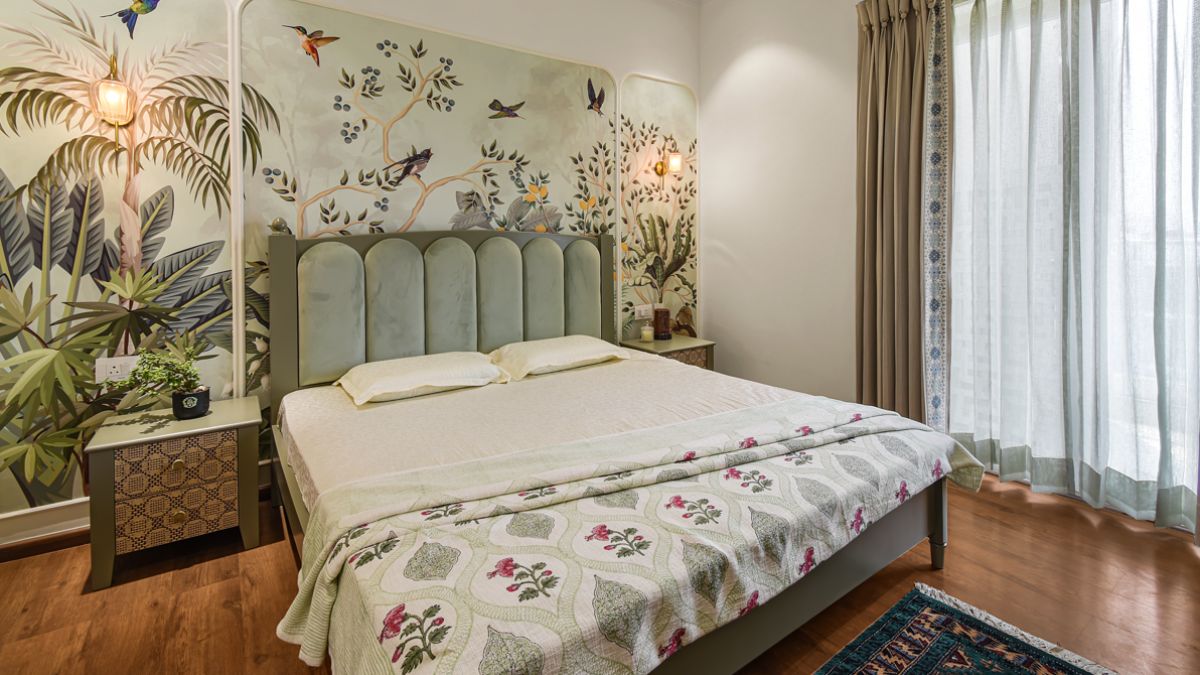
5. Bedroom Challenges Comfort, Storage & Ambience
Bedrooms should offer calm, relaxation, and privacy. However, poor lighting choices, lack of wardrobe space, cluttered layouts, and unsuitable color combinations often disturb this balance.
Inadequate ventilation and poor natural light planning can further impact sleep quality and overall comfort. Overlooking ergonomics and spatial flow reduces the sense of serenity essential for restful environments.
6. Lighting Design Errors Uneven Brightness & Dull Spaces
Lighting is often treated as an afterthought, resulting in dark corners, harsh illumination, and poorly lit work areas. Overdependence on ceiling lights alone makes interiors appear flat and lifeless.
A lack of layered lighting diminishes spatial depth, warmth, and visual appeal, even in otherwise well-designed homes. Poor lighting planning also impacts mood, productivity, and energy efficiency.
7. Material & Finish Selection Problems Durability and Maintenance
Many homeowners prioritize appearance over durability while selecting materials. Low-quality boards, unsuitable laminates, and improper surface finishes lead to frequent maintenance issues, scratches, moisture damage, and fading.
In the long run, such choices increase repair costs and reduce the lifespan of interior elements, ultimately affecting the home’s overall quality and value.
Final Perspective
Interior design challenges are rarely isolated problems they are interconnected aspects of space planning, material selection, lighting, and functionality. When these elements are thoughtfully considered from the beginning, homes become more efficient, comfortable, and visually harmonious.
Design professionals like Shivani Jain emphasize that successful interiors require a structured, room-wise approach that aligns spatial planning with lifestyle needs. Thoughtful design not only enhances aesthetics but also improves daily living experiences.
Ultimately, a well designed home should not only look beautiful but should support comfort, movement, emotion, and practicality creating a space that truly feels like home.
If you object to the content of this press release, please notify us at pr.error.rectification@gmail.com. We will respond and rectify the situation within 24 hours.