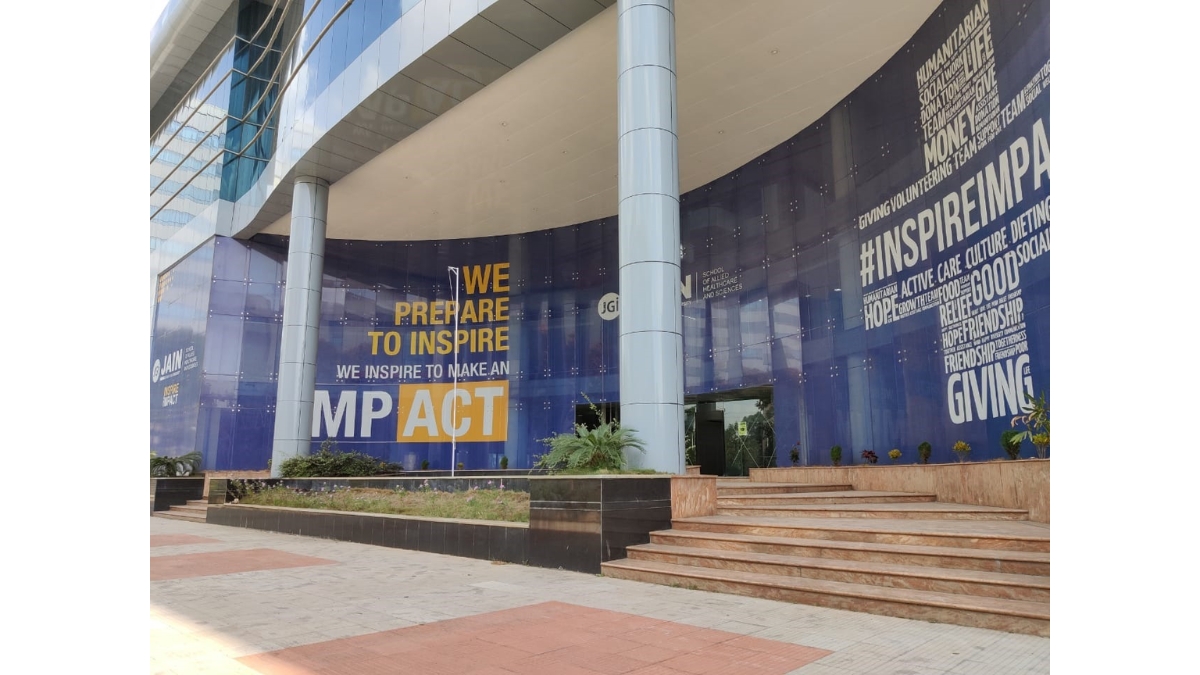
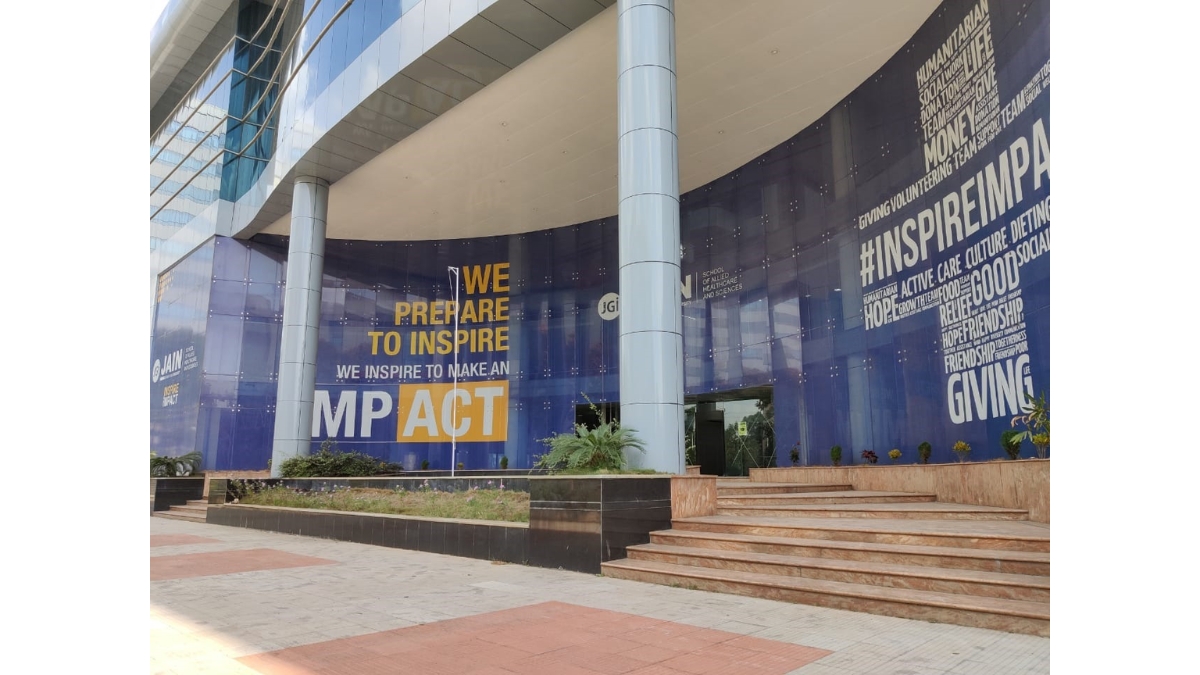
Bengaluru (Karnataka) [India], January 29: When a doctor makes a life-changing diagnosis, it is often not made in the consultation room—but in front of a screen illuminated by images that reveal what the human eye cannot see. Behind those images stands a highly trained professional, skilled in both technology and patient care. Recognising the growing importance of diagnostic imaging in modern medicine, JAIN (Deemed-to-be University), through its School of Allied Healthcare & Sciences (SAHS), offers the Bachelor in Medical Radiology and Imaging Technology (BMRIT)—a Program designed for students who want to work at the intersection of healthcare precision and advanced technology.
The BMRIT Program has evolved from academic frameworks that many institutions earlier structured as BSc Medical Imaging Technology, BSc imaging technology, and BSc radiography and imaging technology. Today, it stands as a forward-looking qualification that reflects how diagnostic healthcare has transformed—technologically, clinically, and ethically. Often described within academic and professional contexts as a medical imaging technology course, the Program integrates science, safety, and patient-centric practice into a single cohesive learning experience.
Students entering the BMRIT Program begin a journey that blends anatomy, physiology, radiographic procedures, and cutting-edge imaging techniques. From X-ray and CT scans to MRI, ultrasound, and nuclear medicine, learners gain exposure to modalities that form the backbone of diagnostic decision-making. The curriculum builds on the foundations once shared with allied pathways such as BSc medical technology and other medical technologist courses, while clearly specialising in advanced imaging sciences. This depth and focus have positioned the Program among the most sought-after allied healthcare offerings in Bangalore.
Dr. Dinesh Nilkant, Pro Vice Chancellor, JAIN (Deemed-to-be University), explains the vision behind the Program: “Healthcare today relies heavily on accurate diagnostics. Through the BMRIT Program, we are preparing professionals who understand both the science behind imaging and the responsibility that comes with interpreting what those images mean for patient care.”
What distinguishes JAIN (Deemed-to-be University) is not only academic rigor but also its strong emphasis on regulatory awareness and real-world readiness. The University’s alignment with the Atomic Energy Regulatory Board (AERB) ensures that students understand radiation safety, compliance standards, and ethical imaging practices—an exposure that significantly elevates the learning experience compared to traditional imaging technology course models. This integration reflects how Programs once categorised as BSc in radio imaging technology, BSc radiography and imaging technology, and BSc in imaging technology have matured to meet contemporary healthcare expectations.
Clinical relevance remains central to the BMRIT experience. Through practical training, simulations, and structured exposure to healthcare environments, students learn to function confidently within diagnostic teams. This applied approach mirrors the professional competencies historically associated with BSc Medical Imaging Technology and BSc imaging technology graduates, while expanding them to include advanced technological fluency and patient communication skills essential in today’s healthcare settings.
According to Dr. Srividya Shivakumar, Director, School of Allied Healthcare & Sciences, JAIN (Deemed-to-be University), “Medical imaging professionals are no longer just technical operators. They are integral to clinical teams, patient safety, and diagnostic accuracy. Our Program is designed to instil that sense of responsibility from day one.”
Career opportunities after completing the BMRIT Program are both diverse and impactful. Graduates can pursue roles as Radiologic Technologists, MRI and CT Technologists, Ultrasound Specialists, Nuclear Medicine Technologists, Radiation Therapists, PACS Administrators, Clinical Application Specialists, and healthcare educators. The professional scope traditionally associated with BSc imaging technology, BSc radiography and imaging technology, and BSc medical technology continues to expand as diagnostic imaging becomes central to preventive and precision medicine. These roles are supported by further learning pathways, including advanced certifications and specialised medical technologist courses that allow professionals to deepen expertise or move into leadership positions.
Admissions insight also highlights strong student interest in imaging sciences as a stable and future-proof career. Dr. Saurabh Kumar, Chief Manager – Admissions & Marketing, JAIN (Deemed-to-be University) and JAIN College, notes,
“Students and parents today look for Programs that offer employability, relevance, and long-term growth. Medical Radiology and Imaging Technology delivers all three, making it one of the most promising allied healthcare careers today.”
In a healthcare ecosystem increasingly driven by early detection and technology-enabled diagnosis, professionals trained through the BMRIT Program play a decisive role. By combining academic excellence, regulatory alignment, and clinical readiness, JAIN (Deemed-to-be University) continues to strengthen its reputation among institutions historically recognised for BSc Medical Imaging Technology, while confidently shaping the future of diagnostic healthcare education.
For inquiries, contact:
• Website: www.jainuniversity.ac.in
• Email: https://sahs.jainuniversity.ac.in
• Phone: +91 9606978661
If you object to the content of this press release, please notify us at pr.error.rectification@gmail.com. We will respond and rectify the situation within 24 hours.