New Delhi [India], January 30: In today’s wellness-driven world, protein powders have become one of the most popular supplements on the market. Walk into any health store—or scroll through online shops—and you’ll find rows of brightly labelled tubs promising lean muscle, faster recovery, and better energy. But with so many options available, choosing the best protein powder for women can feel overwhelming.
For women, the stakes are even more nuanced. Unlike men, women often balance unique health considerations: hormonal shifts, bone health, pregnancy and postpartum needs, and the natural decline of muscle mass with age. Whether you’re a dedicated athlete, a busy professional juggling multiple roles, or simply someone who wants to feel stronger and more energised, protein can play a pivotal role in your health. This guide explores the essentials: what to look for in protein powders, the best types for women, key ingredients to prioritise, pitfalls to avoid, and practical usage tips.
What to See Before Buying Protein Powder Specifically for Women?
Adequate Protein per Serving
A good target is 20–25 grams per serving. This amount suits most active women, though needs vary depending on:
- Training intensity (strength athletes may require more)
- Body weight (protein needs scale with lean body mass)
- Life stage (pregnancy, breastfeeding, and menopause often increases protein requirements.
A scoop that delivers less than 15 grams may not be sufficient unless paired with other protein sources in a meal.
Protein Source
- Whey Protein (Isolate / Concentrate / Hydrolysate): Whey is considered the gold standard because it contains all essential amino acids and absorbs quickly. Whey isolate and hydrolysate are filtered to reduce lactose, making them easier to digest for sensitive stomachs.
- Plant-Based Proteins (Pea, Rice, Soy, Hemp, Blends): Ideal for vegans or those with dairy intolerance. A single plant protein may lack certain amino acids, but blends (e.g., pea + rice) create a complete profile. Soy protein is particularly rich in essential amino acids.
- Collagen Protein: Popular for joint and skin health, though it is not a complete protein. Best used as a complement, not the sole source of protein.
- Casein Protein: Slow-digesting, making it a great bedtime option to support overnight repair.
Added Nutrients That Support Women’s Health
Some powders are fortified with calcium, iron, vitamin D, or magnesium—nutrients women are more likely to be deficient in. Powders with probiotics, digestive enzymes, or adaptogens (like ashwagandha or maca) are also emerging trends.
Clean Label and Safety
- Avoid products with excessive sugars, artificial flavours, or unnecessary fillers.
- Look for third-party certification such as NSF Certified or Informed Choice, which verify purity and rule out harmful contaminants.
- Choose trusted brands to minimise risks of heavy metal contamination—an issue sometimes seen in lower-quality plant-based powders.
Digestibility & Tolerance
Women with lactose intolerance or sensitive digestion may prefer whey isolate, hydrolysate, or plant-based blends. Watch out for powders containing sugar alcohols or artificial sweeteners, which may trigger bloating.
Common Pitfalls & What to Avoid
- Overdoing Protein: More isn’t always better. Excess protein can add calories and strain the kidneys in those with preexisting kidney issues.
- Hidden Sugars & Fillers: The Best Protein Powder can sometimes contain more sugar than a candy bar. Always read the nutrition label.
- Flavour vs Function: Taste matters, but not at the expense of nutritional quality.
- Marketing Gimmicks: Words like premium or organic don’t guarantee safety or efficacy. Always check the actual nutrient content.
How Much Should You Take & When?
Protein requirements depend on weight, age, and activity:
- General active women: 1.2–1.6 g protein per kilogram of body weight.
- Strength training or endurance athletes: up to 2.0 g/kg.
- Pregnant or breastfeeding women: slightly higher, depending on medical advice.
Timing matters too:
- Post-workout: Whey or fast-digesting proteins help recovery.
- Throughout the day: Spreading protein evenly improves absorption.
- Before bed: Slow-release casein or blends support overnight repair.
Expert Perspective
“Protein powders can be a convenient supplement, but they should never replace whole food sources of protein,” says Dr Amanda Lewis, a registered dietitian and sports nutrition specialist. “For women, the key is balance—ensuring protein supports not just fitness goals, but also hormonal, bone, and long-term metabolic health.”
Her advice: prioritise powders with clean labels, complete amino acid profiles, and minimal additives. Pair them with whole foods like beans, lentils, eggs, and lean meats for the best results.
Bottom Line
Choosing the best protein powder for women isn’t about the flashiest brand or the most expensive tub. It’s about aligning your unique needs—fitness goals, digestion, lifestyle, and health priorities—with a powder that delivers clean, safe, and effective nutrition. Ultimately, protein powder is a tool—not a miracle.
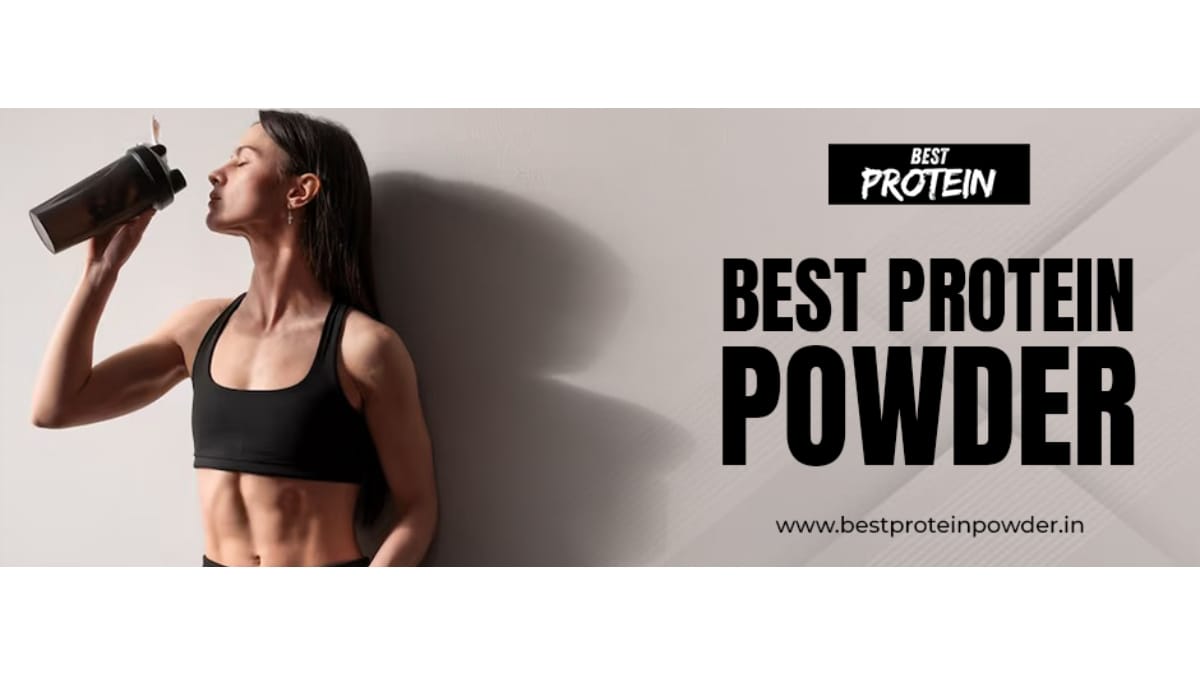
When chosen wisely and paired with a balanced diet, it can help women support lean muscle, maintain hormonal balance, recover faster, and age with strength. If you’re looking for reliable reviews and comparisons of protein powders tailored to women’s needs, check out Best Protein Powder, a platform dedicated to evaluating quality, safety, and value—so you can find the formula that truly fits your lifestyle.
Frequently Asked Questions (FAQ)
Is whey protein safe for women?
Yes, whey protein is safe and effective. Those with lactose intolerance should opt for whey isolate or plant-based alternatives.
Can protein powders help with weight loss?
Yes. Protein increases satiety and helps preserve lean muscle while reducing body fat when paired with calorie control and exercise.
Should women take collagen protein instead of whey?
Collagen is beneficial for skin and joint health, but lacks all essential amino acids. It’s best used in combination with the Best Protein Powder, like whey or soy.
Can pregnant or breastfeeding women use protein powders?
In most cases, yes—but only under medical guidance. It’s important to avoid powders with unsafe additives or herbs during pregnancy.
How do I know if my protein powder is clean and safe?
Look for third-party certifications, check ingredient transparency, and avoid products with high sugar or artificial additives.
If you object to the content of this press release, please notify us at pr.error.rectification@gmail.com. We will respond and rectify the situation within 24 hours.